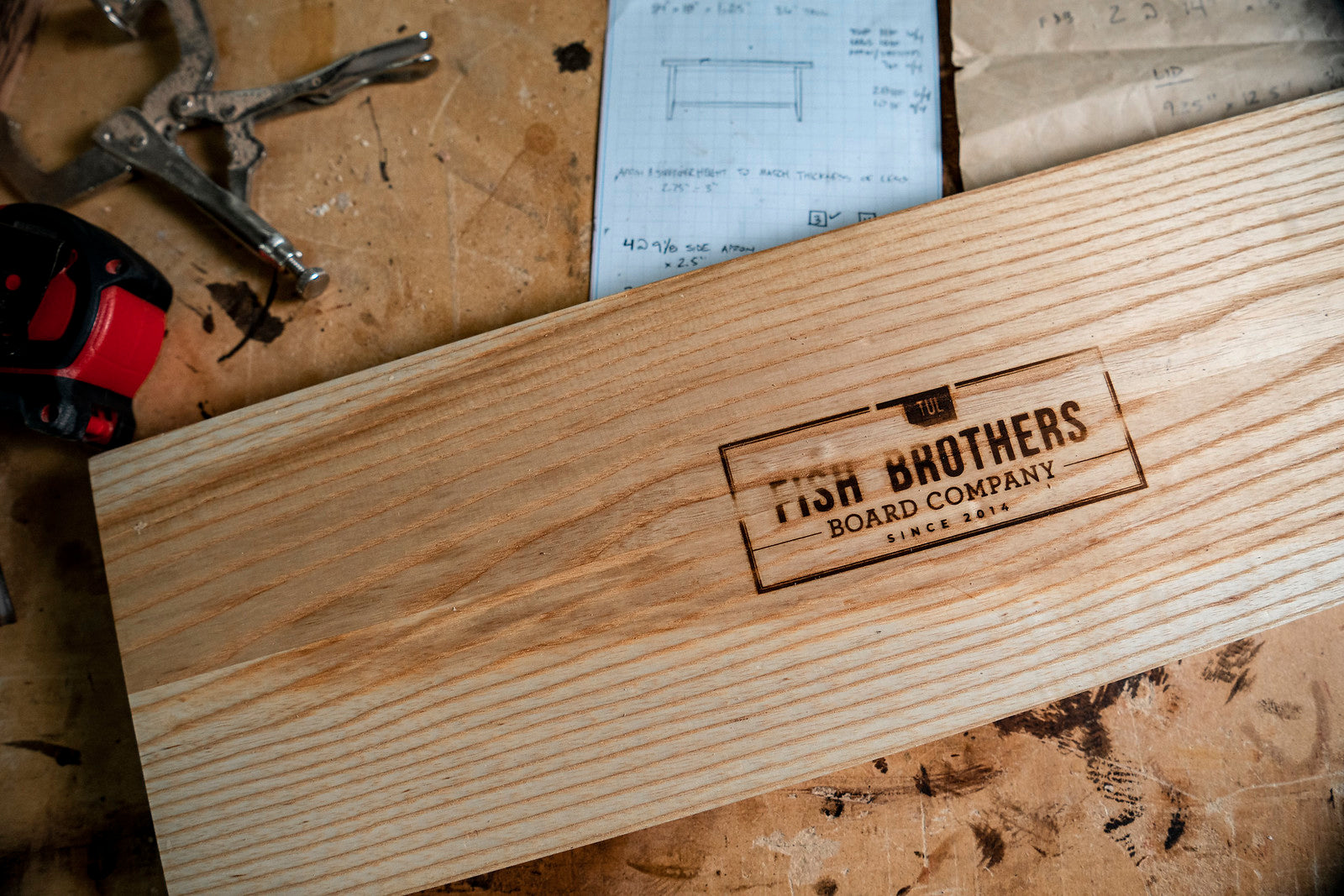
Every once in a while a species comes into the shop that really catches people’s attention. Caribbean walnut is one of those woods.
It has the rich look people love about walnut, but with a little more color variation and a price point that makes it easier to work into a project.
If you haven’t worked with it before, here's what makes Caribbean walnut a great option for your next build.
Where does Caribbean Walnut come from?
Caribbean walnut grows in Central America and parts of Mexico. The climate and growing conditions in those regions play a big role in the way the wood looks which is why you often see a lot of natural variation from board to board.
Some boards lean darker while others show more warmth in the grain. That variation is part of what makes the species so interesting to work with.
How does it compare to Domestic Walnut?
A lot of people ask how Caribbean walnut compares to domestic walnut.
At first glance they look pretty similar. Both have darker tones and attractive grain patterns. But there are a couple differences worth noting.
Caribbean walnut tends to have more of a reddish hue compared to the deeper chocolate brown you typically see in domestic walnut.
It’s also much harder wood. In fact, Caribbean walnut is roughly twice as hard as domestic walnut which can make it a great option for projects where durability matters.
Variety of lengths and widths available at Fish Brothers Board Co.
One thing we like about the Caribbean walnut we bring into the shop is the size of the boards.
Many of them come in nice wide widths with lengths up to seven or eight feet which makes them great for larger builds like furniture panels or long surfaces.
Wider boards also make glue ups easier and can help keep grain patterns more consistent across your finished piece.
Great for all kinds of woodworking projects
Caribbean walnut is a really versatile hardwood and we’ve seen customers use it for all kinds of builds.
Some of the most common projects include:
-
Cutting boards
-
Serving trays
-
Furniture pieces
-
Decorative boxes
-
Accent panels
It also takes oil and finish really well which helps bring out the depth of the grain and the natural color in the wood.
What Makes Caribbean Walnut Stand Out?
There are a few reasons this species continues to get attention when people walk through the shop.
The first is color variation. You’ll often see a mix of reddish brown tones and darker walnut shades even within the same stack of lumber.
Another thing that stands out is the grain character. The growing conditions where these trees develop often produce interesting figure and patterns that give each board its own personality.
And then there’s the price.
Caribbean walnut is typically about half the price of domestic walnut which makes it a great choice if you like the walnut look but want something more budget friendly for a larger project.
No Two Boards Are Exactly the Same
If you put two boards of Caribbean walnut next to each other you’ll probably notice they look a little different.
Even pieces from the same stack can show different colors and grain structure. That’s just part of the natural character of the wood and one of the reasons people enjoy working with it.
Those variations often end up being the detail that makes the final piece stand out.
Come Take a Look
If you’re planning a project and want a hardwood that offers durability, natural character and great value, Caribbean walnut is definitely worth checking out.
Stop by the shop and take a look through the stack. Seeing the boards in person is the best way to find the one that fits your project.